


Valpolymer: Our Polyurethane Processing Services
Valpolymer specialises in polyurethane machining and combining different manufacturing processes across a range of materials to deliver complete, durable, ready-to-use solutions. High-performance elastomeric polyurethane, with excellent physical and mechanical properties, is the company’s flagship material thanks to its exceptional versatility and adjustable hardness from 5 Shore A to 95 Shore A. We offer polyurethane compounds suitable for contact with food and pharmaceutical products (compliant with USA FDA 21 CFR and Regulation EC EN 10:2011), as well as grades suitable for use in ATEX environments, supplied with a Declaration of Conformity. We carry out custom work to customer specifications and drawings, for parts ranging from 1 g to 2,500 kg.
Material Formulation
Our strength lies in the careful procurement of raw materials, which enables us to select only the best materials available on the market. We are also committed to developing our own material formulations, creating tailored solutions that precisely meet the specific requirements of the finished product’s intended use. This approach not only allows us to guarantee the highest quality, but also involves a thorough, focused study of the product itself, resulting in competitive pricing compared with other offerings on the market. We believe this process is essential to meeting our customers’ needs and maintaining the highest standards of excellence.
Manufacture of Cast Polyurethane Technical Products
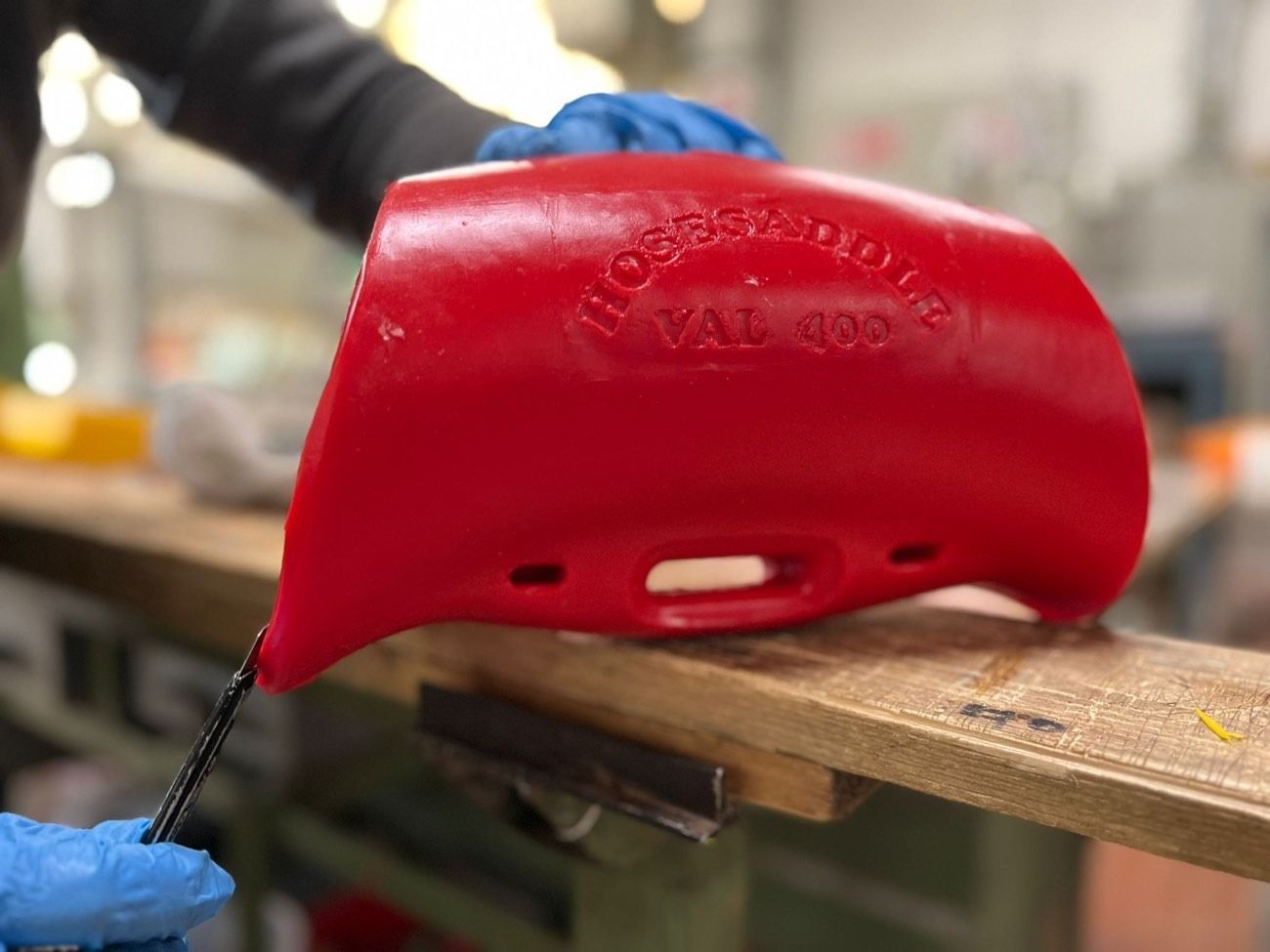
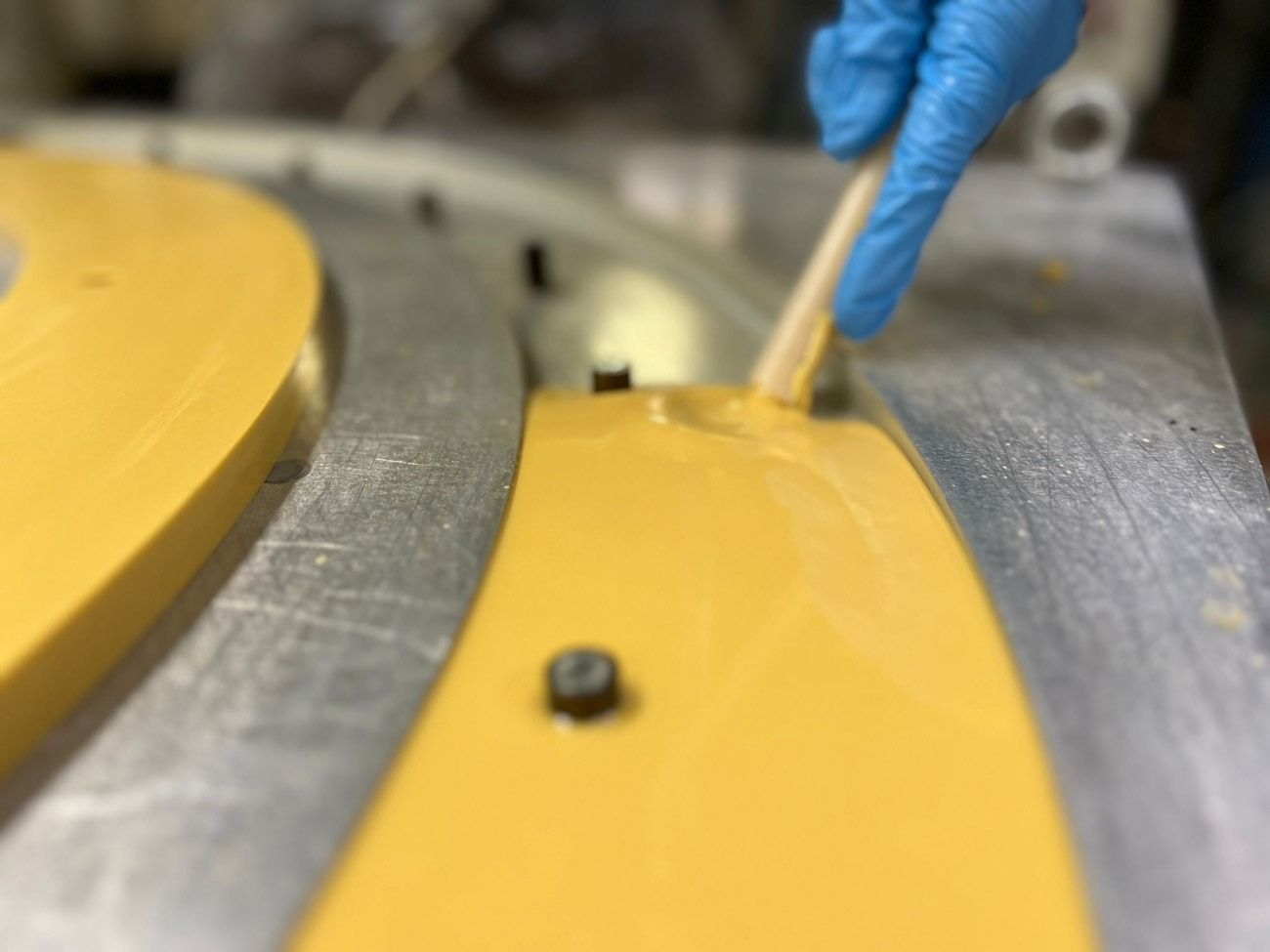
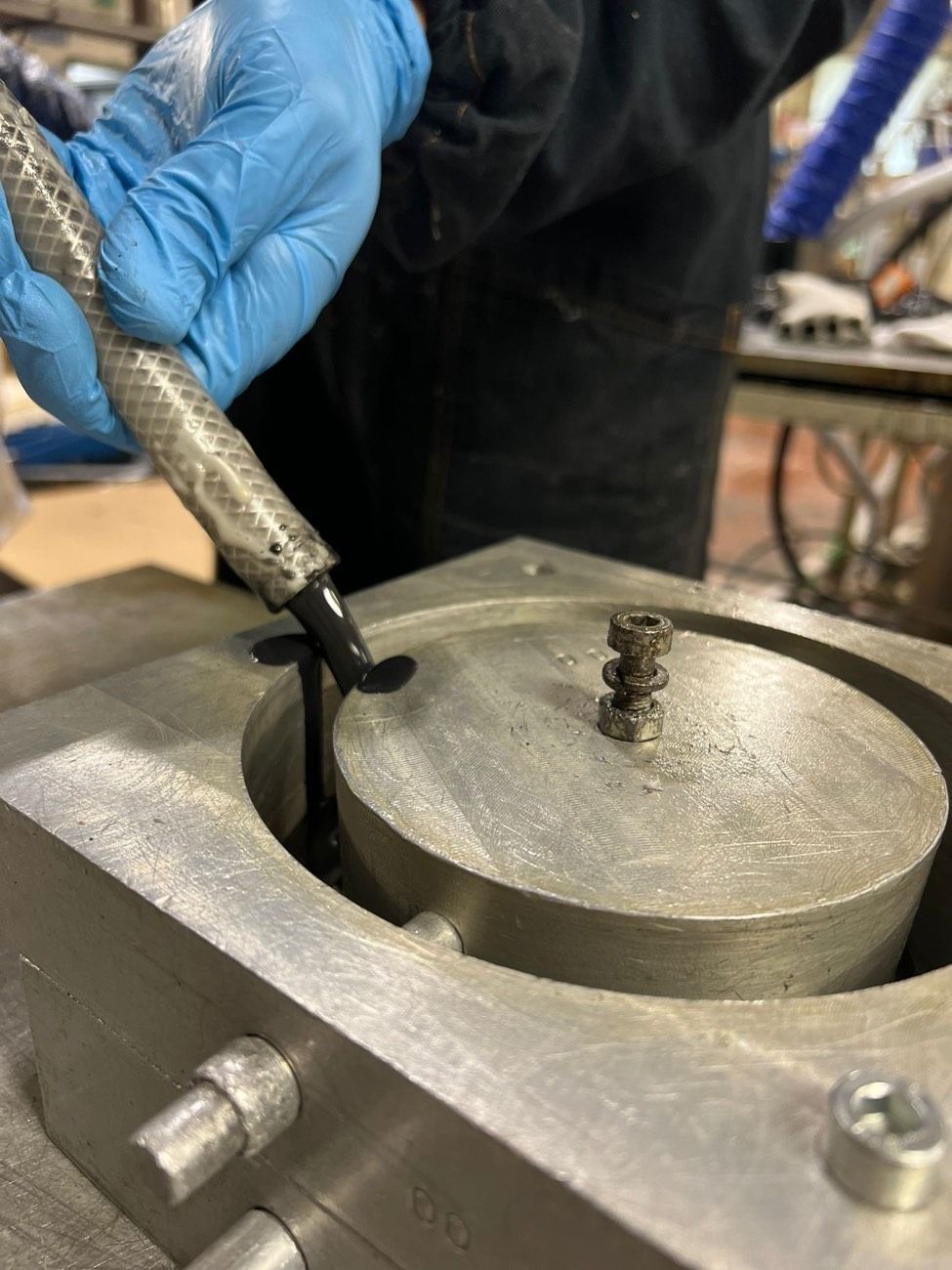
Valpolymer manufactures technical products in cast polyurethane, optionally incorporating metal inserts, such as coated rollers, wheels and bearings. The entire manufacturing process takes place in-house, from part analysis and design to final finishing, ensuring maximum precision and quality. On request, products can be made from polyurethane suitable for contact with food, for pharmaceutical applications or for use in ATEX environments, and are supplied with a Declaration of Conformity.
Metal Parts Coated with Polyurethane – Coated Rollers and Wheels
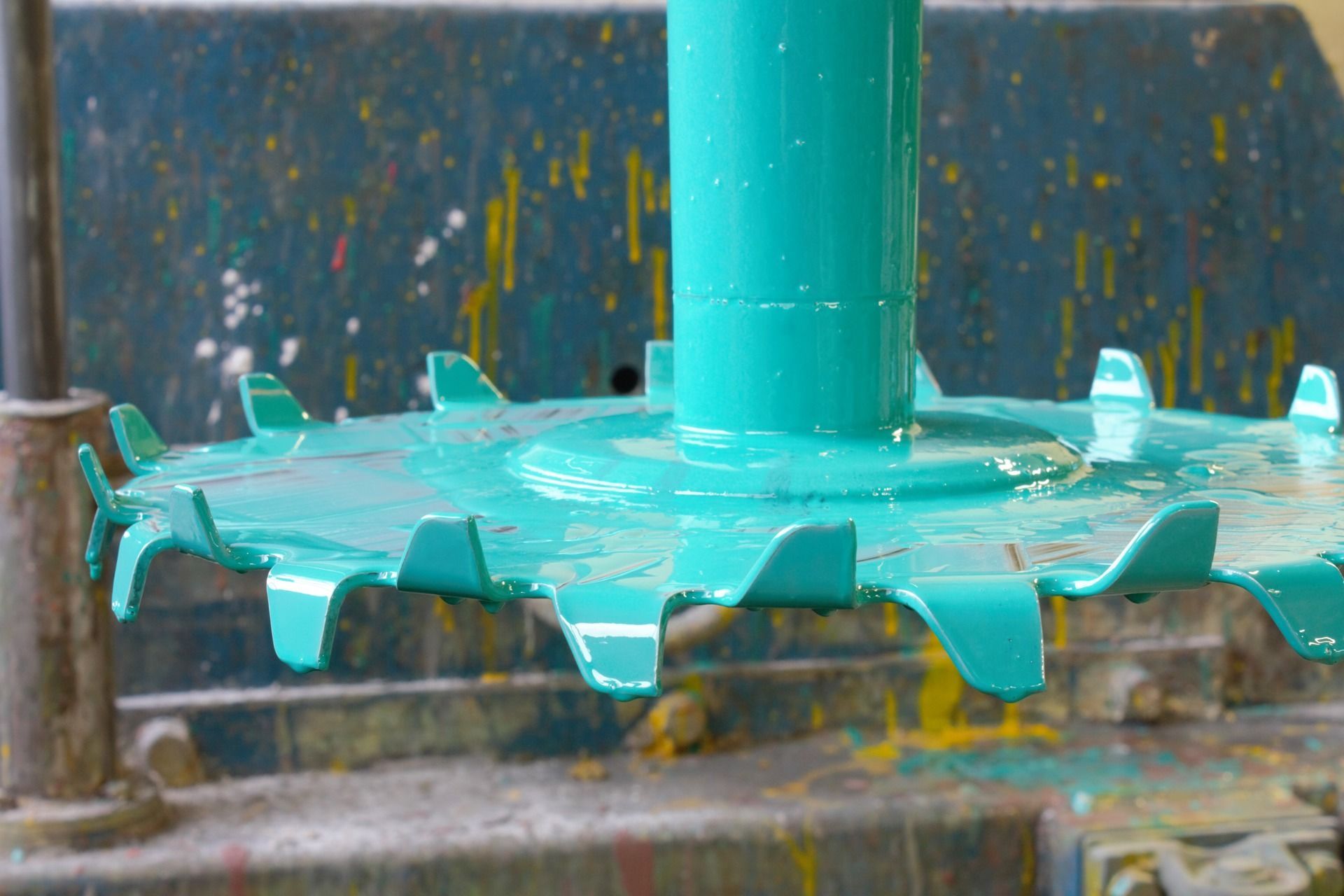
Among Valpolymer’s main polyurethane processing services is coating metal parts with elastomeric polyurethane, ideal for rollers, wheels and bearings. The company can apply ribbon-coating to diameters over 2,000 mm and lengths up to 8,000 mm. We also offer coatings certified for food-contact use or ATEX environments. In addition, Valpolymer can manufacture the metal part to be coated, providing a complete, integrated service.
Machining of Polyurethane Parts
The company provides precision machining for polyurethane products, such as coated rollers and wheels, ensuring extremely tight dimensional tolerances and high-quality surface finishes. This machining is essential for producing high-performance, perfectly balanced components. The same techniques can also be applied to metals and engineering plastics, depending on project requirements.
Waterjet Cutting of Polyurethane and Engineering Plastics
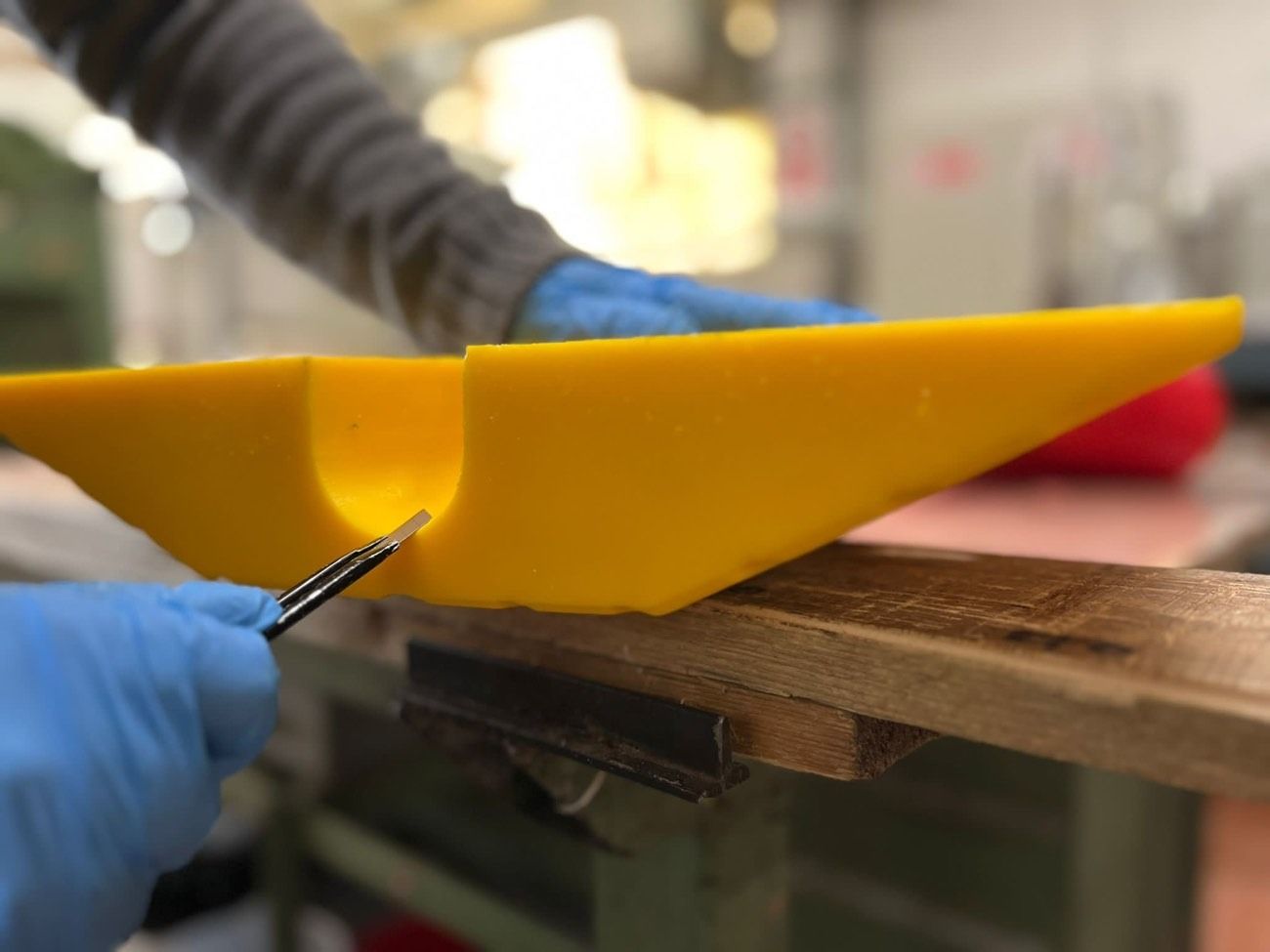
We have a waterjet cutting system that allows us to cut and shape polyurethane with great precision using an ultra-high-pressure water jet. This system produces clean, complex cuts, even for irregular or detailed shapes, without generating heat that could deform the material. Waterjet cutting is particularly useful for producing finished parts, custom shapes and complex profiles, providing a smooth, precise finish ready for further processing or assembly.
Metal Machining
Valpolymer complements its range of polyurethane machining services with a dedicated department for machining metal components. We manufacture molds for casting polyurethane and metal inserts to be subsequently coated in polyurethane or rubber, such as rollers, wheels and other industrial components. Bringing these processes in-house enables us to offer custom, high-quality solutions while reducing production time and costs.
Circular Saw and Cut-Off Saw Cutting
We have a circular saw that allows us to make straight, precise cuts in sheets, polyurethane blocks and other products. With the right blade and speed setting, it produces a clean, even cut while reducing burrs and material distortion. We also have a cut-off saw for accurate crosscuts and angled cuts. This tool is particularly useful for cut-to-size and angled cuts, ensuring the workpiece remains stable and achieves a smooth finish, with speed and pressure carefully controlled.
CNC and Manual Turning
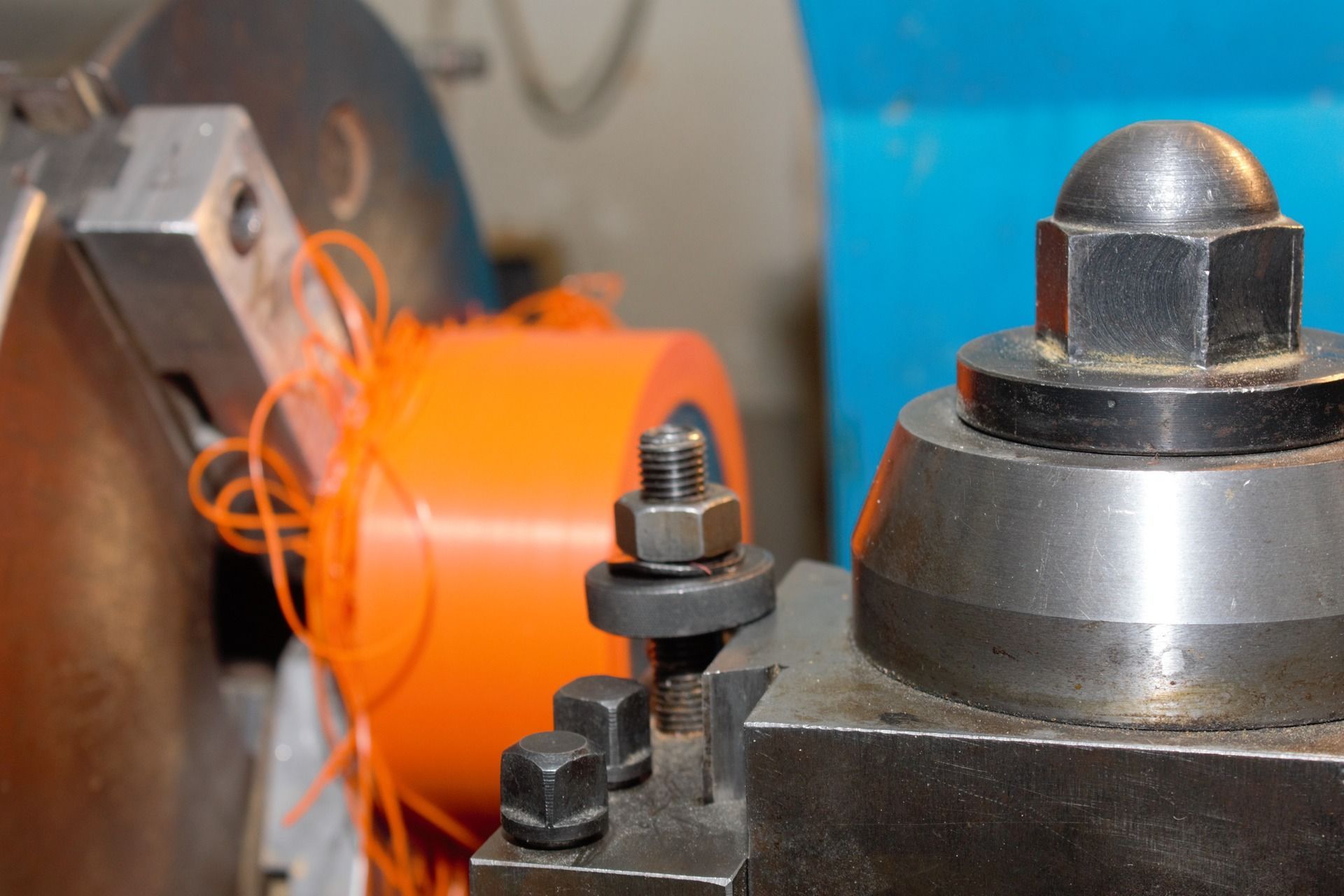
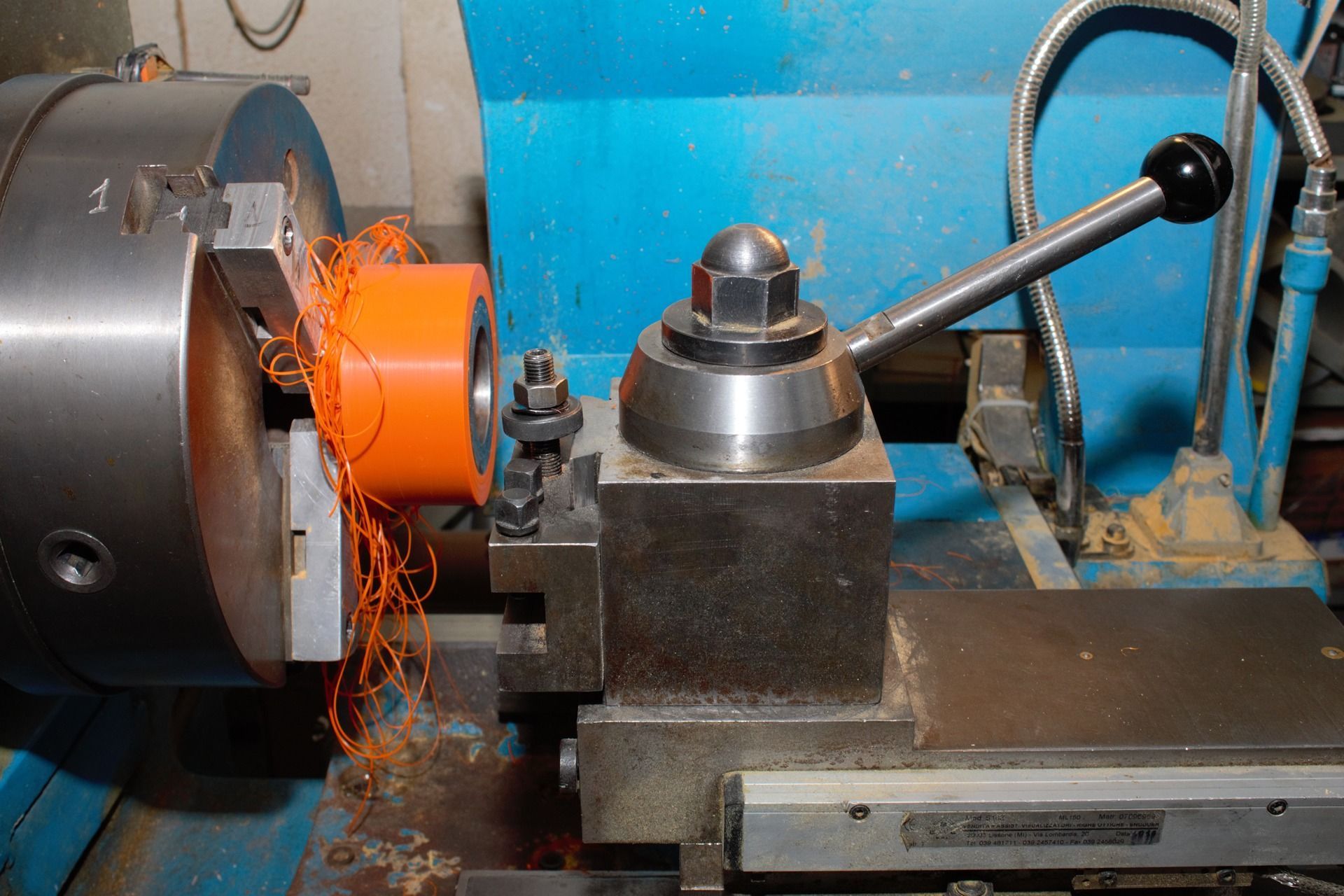
We have a CNC lathe that allows us to turn polyurethane with high precision and repeatability. Numerical control enables us to automatically and accurately produce diameters, grooves, chamfers and shaped profiles, ensuring consistent tolerances. We also have a manual lathe that allows us to machine polyurethane by turning it to reduce diameters and create grooves, chamfers and shaped profiles. The operator manually adjusts the feed and cutting depth, providing direct control over the machining process and allowing the settings to be adapted to the material’s hardness.
CNC Router Machining
We have a CNC router that allows us to machine and shape polyurethane parts with precision, carrying out milling, engraving and profiling, including on complex shapes. With controlled movements and suitable cutters, we can produce detailed profiles and finished surfaces while maintaining good dimensional accuracy.
In addition to machining polyurethane parts directly, the CNC router can also produce molds and models for prototypes or subsequent industrial processes, ensuring precision and repeatability.
Abrasive Wheel Finishing
We have an abrasive wheel that allows us to shape, sand and finish polyurethane, removing imperfections and rounding edges. Its high-speed rotation allows us to remove material in a controlled manner, achieving the desired shape and a more uniform surface. Using moderate pressure and the appropriate grit prevents the material from overheating and ensures a precise finish.
CNC Drilling
We have a CNC-controlled drill that allows us to drill holes, countersinks and perform small precision operations on polyurethane. With adjustable speed and suitable drill bits or cutters, material can be removed precisely and gradually, avoiding tearing or deformation. Working at moderate speed and with controlled pressure produces clean holes and even countersinks, ensuring a good finish on the part.
Splitting Machine Processing
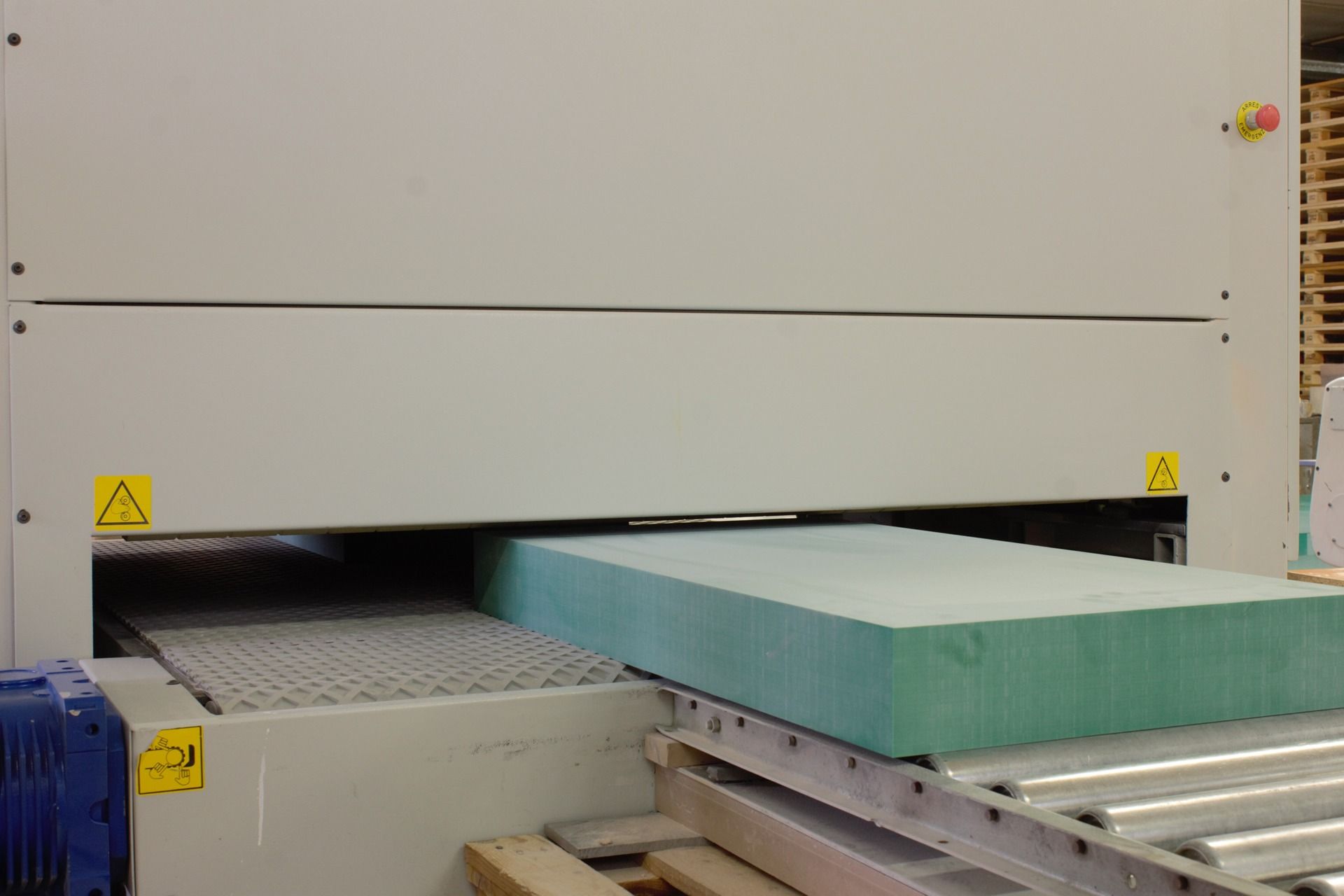
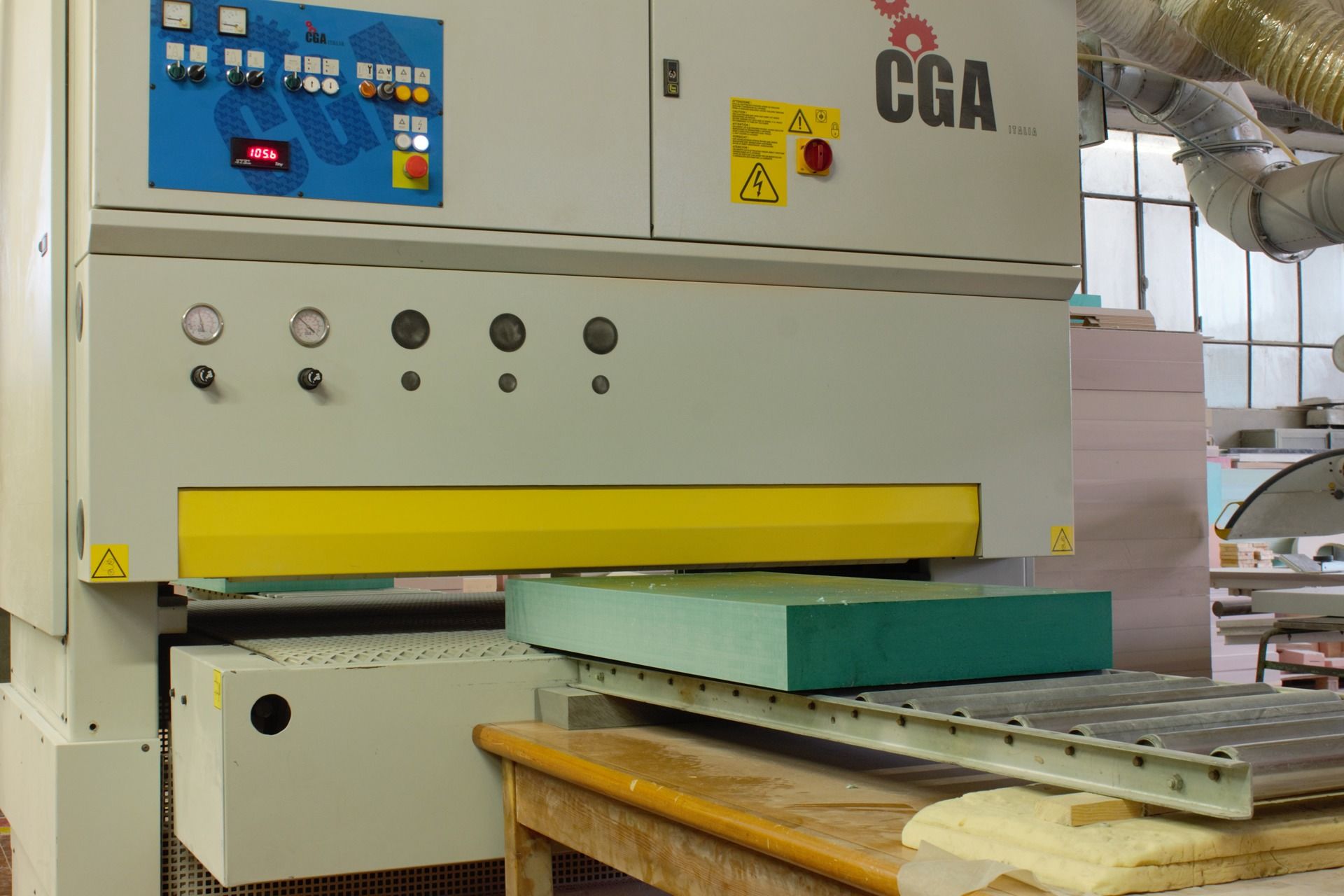
Our RUBBER15 splitting machine splits our polyurethane sheets into two layers. Processing specifications: maximum width (working clearance): 1,500 mm; maximum thickness: 50 mm; minimum achievable thickness: 2 mm. Processable lengths: up to 7–8 metres using roller conveyors (for thick/high-hardness materials); continuous processing with winding/unwinding units for thicknesses under 15 mm. The machine is equipped with ball screws and brushless motors to ensure cutting precision and stability.
3D Printing
Our 3D printer can produce custom components, prototypes and high-precision models, with a build volume of up to 33.5 × 20 × 30 cm. This allows us to produce both small technical details and medium-to-large objects in a single operation, optimising time and costs. With an XY resolution of 25 μm and adjustable layer thickness from 25 to 300 μm, we can achieve exceptionally well-defined surfaces and accurately reproduce complex geometries and very fine details. The 250 mW laser technology also ensures high print quality and excellent detail definition. These capabilities make the system ideal for rapid prototyping and producing aesthetic models, technical components and design objects, offering maximum flexibility in developing and refining new products.
FAQ - Frequently asked questions
How is a cast polyurethane technical product made?
The component is designed, cast in a mold and finished in-house, if required.
Can metal inserts be incorporated into polyurethane?
Yes. Valpolymer can manufacture polyurethane products with metal inserts, such as rollers, wheels, bearings and technical components.
Does Valpolymer coat rollers and wheels with polyurethane?
Yes. We apply elastomeric polyurethane coatings to metal parts, rollers, wheels and bearings, including large components.
What are the benefits of polyurethane coating?
It helps improve a component’s resistance to wear, impact and abrasion, depending on the industrial application.
Can polyurethane be machined?
Yes, especially when tolerances or geometries are required that cannot be achieved directly through molding.
When is waterjet cutting the right choice for polyurethane?
When precise cuts, complex shapes or custom profiles are needed without heat deforming the material.



